
North Sea Agreement: Is Europe Building a New Energy Core?
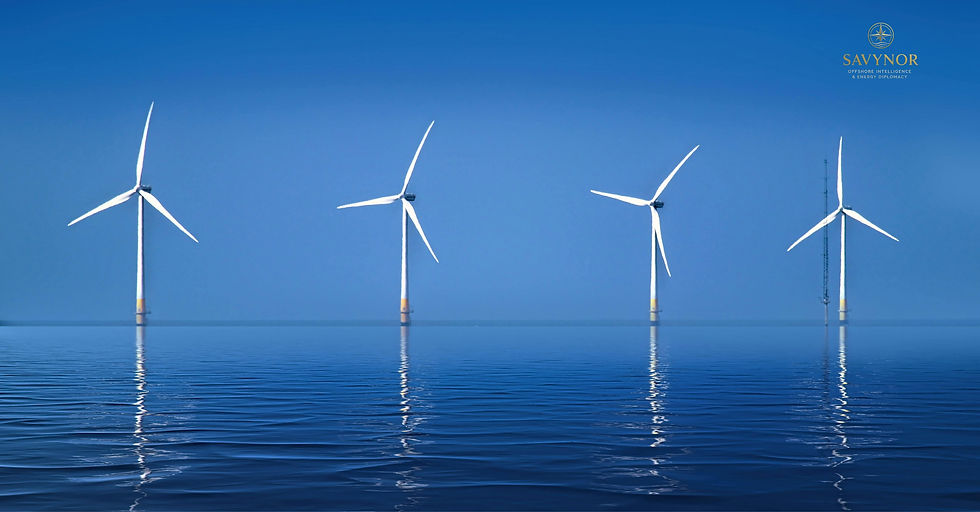
European countries bordering the North Sea have reached a broad cooperation framework aimed at expanding offshore wind capacity through a cross-border network model. The plan is not merely to build new power plants, but to design generation, transmission, and grid integration as a single regional system. For this reason, the agreement represents far more than an increase in renewable energy capacity: for the first time, Europe is structuring its energy infrastructure not as a market matter, but as a spatial power infrastructure.
This shift shows that energy policy is moving from a commercial domain into a geopolitical one. Because when the geography of production changes, the distribution of power changes with it.
The Energy Field Is Becoming Regional
The structure planned around the North Sea goes beyond the traditional logic of national production. Generation sites, transmission lines, and offshore substations are being designed not as isolated projects, but as components of an integrated system. Electricity production is being addressed, for the first time, as a continental-scale infrastructure architecture.
This approach may reduce supply imbalances, but its primary consequence is political rather than technical. Planning energy flows seamlessly across borders creates a new level of interdependence within Europe. In times of crisis, this interdependence will produce not only economic but strategic consequences.
From Imports to Infrastructure
After Russian gas, Europe’s central question was “from whom will we buy?” The North Sea approach advances a different question: “where will we produce?” This shift moves energy security from the outer rings of the supply chain to infrastructure within the continent.
This transformation also affects foreign policy. A security model based on energy imports is giving way to one based on infrastructure security. Risk is no longer concentrated in transit states along pipelines, but in the geography where production centers are located.
The New Position of Offshore Infrastructure
Offshore energy installations are no longer merely production sites; they are clusters of infrastructure that require continuous protection. As transmission lines, platforms, and connection nodes expand, the area that must be secured grows accordingly. The distance between energy planning and defense planning is narrowing.
For this reason, the North Sea is becoming not just an energy production zone, but a geography of strategic infrastructure. Energy production and security planning are becoming intertwined at an unprecedented scale.
The Industrial and Financial Dimension
These projects create not only electricity production, but a broad industrial ecosystem. Turbine manufacturing, offshore engineering, cable technologies, and port infrastructure are expanding simultaneously. Energy policy and industrial policy are becoming inseparable.
The financing model is also changing. The scale and time horizon of investment require state-supported frameworks beyond pure market logic. Energy projects are increasingly evaluated not only in terms of commercial profitability, but also systemic stability. This indicates that the energy market is shifting toward a strategic investment domain.
A Regional Project or a Model?
The North Sea initiative may not remain local. If integration succeeds, similar infrastructure cores could emerge in other maritime basins. The concentration of energy production around regional hubs could move the global energy geography toward a more fragmented yet more controllable structure.
This could become a new organizational model in the energy field.
SAVYNOR Assessment
The structure being established in the North Sea can be read as an increase in renewable capacity, yet the real transformation lies not in the amount of production, but in how production is organized. For the first time, Europe is treating energy infrastructure not as a commercial system, but as a spatial configuration of power. This shows that energy security is shifting from supply chains to infrastructure geography.
In this model, energy ceases to be merely a resource that reduces external dependency and becomes a component of a continental sovereignty architecture. Electricity generation sites, transmission lines, and grid integrations are being framed not as market arrangements, but as matters of area control and system continuity. The North Sea is therefore no longer just an energy basin, but an infrastructure region with the potential to become Europe’s internal power core.
This change signals the end of an approach that defined energy security through supply diversification. In the new era, security is shaped by where production is concentrated and by who can protect that infrastructure. As energy production zones expand, the geography that must be secured expands as well, weakening the distinction between energy planning and defense planning.
If this structure succeeds, the North Sea could become not only Europe’s production area but a reference model for global energy organization. The concentration of energy production around regional hubs could lead to a re-layering of the energy market in geographic terms. This would move energy out of the realm of environmental and market policy and directly into the architecture of power.
At this point, the issue is not wind energy. The issue is that infrastructure is entering a strategic rather than an economic category. Once energy production is tied to power architecture, energy sites cease to be technical assets and become spatial extensions of sovereignty. Energy geography thus moves from the map of markets to the map of power.
Kuzey Denizi Anlaşması: Avrupa Enerjide Yeni Bir Merkez mi Kuruyor?
Kuzey Denizi’ne kıyısı olan Avrupa ülkeleri, offshore rüzgâr kapasitesini sınır ötesi bir ağ mantığıyla büyütmeyi hedefleyen kapsamlı bir iş birliği çerçevesinde uzlaştı. Plan yalnızca yeni santraller kurmak değil; üretim, iletim ve şebeke entegrasyonunu tek bir bölgesel sistem olarak tasarlamak. Bu nedenle atılan imza, yenilenebilir enerji kapasitesini artırmaktan çok daha fazlasını ifade ediyor: Avrupa ilk kez enerji altyapısını bir piyasa konusu değil, bir mekânsal güç altyapısı olarak kurguluyor.
Bu değişim, enerji politikasının ticari bir alandan çıkıp jeopolitik bir düzleme yerleştiğini gösteriyor. Çünkü üretimin coğrafyası değiştiğinde, gücün dağılımı da değişir.
Enerji Alanı Bölgeselleşiyor
Kuzey Denizi çevresinde planlanan yapı, klasik ulusal üretim mantığının ötesinde. Üretim sahaları, iletim hatları ve deniz üstü trafo platformları tekil projeler olarak değil, birlikte çalışan bir sistemin parçaları olarak tasarlanıyor. Elektrik üretimi ilk kez kıta ölçeğinde bir altyapı mimarisi olarak ele alınıyor.
Bu yaklaşım arz dengesizliklerini azaltabilir, ancak asıl sonuç teknik değil siyasi. Enerji akışının sınırlar arasında kesintisiz şekilde planlanması, Avrupa içinde yeni bir karşılıklı bağımlılık düzeyi yaratıyor. Bu bağımlılık, kriz anlarında yalnızca ekonomik değil, stratejik sonuçlar doğuracak.
İthalattan Altyapıya Geçiş
Rus gazı sonrası Avrupa’nın temel meselesi “kimden alacağız?” sorusuydu. Kuzey Denizi yaklaşımı farklı bir soruyla ilerliyor: “nerede üreteceğiz?” Bu kayma, enerji güvenliğinin tedarik zincirinin dış halkalarından kıta içi altyapıya taşınması demek.
Bu dönüşüm, dış politika alanını da etkiler. Enerji ithalatına dayalı güvenlik modeli, yerini altyapı güvenliğine dayalı modele bırakıyor. Artık risk boru hatlarının geçtiği ülkelerde değil, üretim merkezlerinin bulunduğu coğrafyada yoğunlaşıyor.
Offshore Altyapının Yeni Konumu
Deniz üstü enerji tesisleri artık yalnızca üretim alanı değil; sürekli korunması gereken altyapı kümeleri. İletim hatları, platformlar ve bağlantı noktaları büyüdükçe, korunması gereken alan genişliyor. Enerji ile savunma planlaması arasındaki mesafe kapanıyor.
Bu nedenle Kuzey Denizi, enerji üretim sahası olmanın ötesinde, stratejik altyapı coğrafyasına dönüşüyor. Enerji üretimi ile güvenlik planlaması ilk kez bu ölçekte iç içe geçiyor.
Sanayi ve Finans Boyutu
Bu projeler yalnızca elektrik üretimi değil, geniş bir endüstriyel ekosistem yaratıyor. Türbin üretimi, deniz üstü mühendislik, kablo teknolojileri ve liman altyapıları eş zamanlı büyüyor. Enerji politikası ile sanayi politikası ayrılmaz hale geliyor.
Finansman modeli de değişiyor. Yatırımın ölçeği ve süresi, piyasa mantığının ötesinde devlet destekli çerçeveler gerektiriyor. Enerji projeleri artık ticari kârlılık kadar sistemsel istikrar üzerinden değerlendiriliyor. Bu, enerji piyasasının stratejik yatırım alanına kaydığını gösteriyor.
Bu Bir Bölge Projesi mi, Bir Model mi?
Kuzey Denizi girişimi yerel kalmayabilir. Eğer entegrasyon başarıya ulaşırsa, benzer altyapı merkezleri başka deniz havzalarında da kurulabilir. Enerji üretiminin bölgesel çekirdekler etrafında toplanması, küresel enerji coğrafyasını daha parçalı ama daha kontrol edilebilir bir yapıya taşıyabilir.
Bu, enerji alanında yeni bir organizasyon modeli olabilir.
SAVYNOR Değerlendirmesi
Kuzey Denizi’nde kurulan yapı, yenilenebilir kapasite artışı olarak okunabilir; ancak asıl dönüşüm üretim miktarında değil, üretimin nasıl organize edildiğinde yatıyor. Avrupa ilk kez enerji altyapısını ticari bir sistem olarak değil, mekânsal bir güç düzenlemesi olarak ele alıyor. Bu, enerji güvenliğinin tedarik zincirinden altyapı coğrafyasına taşındığını gösterir.
Bu modelde enerji, dışa bağımlılığı azaltan bir kaynak olmaktan çıkıp kıta içi egemenlik mimarisinin bir bileşeni haline geliyor. Elektrik üretim sahaları, iletim hatları ve şebeke entegrasyonları bir piyasa düzenlemesi değil, alan kontrolü ve sistem sürekliliği meselesi olarak kurgulanıyor. Bu nedenle Kuzey Denizi artık bir enerji havzası değil, Avrupa’nın iç güç çekirdeği olma potansiyeli taşıyan bir altyapı bölgesi.
Bu değişim, enerji güvenliğini arz çeşitliliği üzerinden tanımlayan yaklaşımın sona erdiğini gösteriyor. Yeni dönemde güvenlik, üretimin nerede yoğunlaştığı ve bu altyapının kim tarafından korunabildiği üzerinden şekilleniyor. Enerji üretim alanları genişledikçe, korunması gereken coğrafya da genişliyor; böylece enerji ile savunma planlaması arasındaki ayrım zayıflıyor.
Bu yapı başarıya ulaşırsa, Kuzey Denizi yalnızca Avrupa’nın üretim alanı değil, küresel enerji organizasyonunun referans modeli haline gelebilir. Enerji üretiminin bölgesel çekirdekler etrafında toplanması, enerji piyasasının coğrafi olarak yeniden katmanlaşmasına yol açabilir. Bu da enerji konusunu çevre ve piyasa politikalarının alanından çıkarıp doğrudan güç düzeninin parçası haline getirir.
Bu noktada mesele rüzgâr enerjisi değildir. Mesele, altyapının artık ekonomik değil stratejik bir kategoriye girmesidir. Enerji üretimi bir kez güç mimarisine bağlandığında, enerji sahaları da teknik varlıklar olmaktan çıkar; egemenliğin mekânsal uzantılarına dönüşür. Bu da enerji coğrafyasını piyasa haritasından çıkarıp güç haritasının parçası haline getirir.
Accord de la mer du Nord : l’Europe est-elle en train de construire un nouveau noyau énergétique ?
Les pays européens riverains de la mer du Nord se sont accordés sur un cadre de coopération ambitieux visant à développer la capacité éolienne offshore selon une logique de réseau transfrontalier. Le plan ne consiste pas seulement à construire de nouvelles centrales, mais à concevoir la production, le transport et l’intégration au réseau comme un système régional unique. Ainsi, la signature de cet accord représente bien plus qu’une augmentation de la capacité en énergies renouvelables : pour la première fois, l’Europe conçoit son infrastructure énergétique non comme une question de marché, mais comme une infrastructure spatiale de puissance.
Cette évolution montre que la politique énergétique quitte le domaine commercial pour s’inscrire dans un cadre géopolitique. Car lorsque la géographie de la production change, la répartition du pouvoir change également.
L’espace énergétique se régionalise
La structure envisagée autour de la mer du Nord dépasse la logique classique de production nationale. Les sites de production, les lignes de transmission et les plateformes de transformation offshore sont conçus non comme des projets isolés, mais comme les composantes d’un système intégré. La production d’électricité est abordée, pour la première fois, comme une architecture d’infrastructure à l’échelle du continent.
Cette approche peut réduire les déséquilibres d’approvisionnement, mais sa conséquence principale est politique plutôt que technique. La planification des flux énergétiques de manière fluide à travers les frontières crée un nouveau niveau d’interdépendance au sein de l’Europe. En période de crise, cette interdépendance produira des effets non seulement économiques, mais stratégiques.
Des importations à l’infrastructure
Après le gaz russe, la question centrale de l’Europe était : « de qui allons-nous acheter ? » L’approche de la mer du Nord avance une question différente : « où allons-nous produire ? » Ce déplacement transfère la sécurité énergétique des anneaux externes de la chaîne d’approvisionnement vers l’infrastructure située à l’intérieur du continent.
Cette transformation affecte également la politique étrangère. Un modèle de sécurité fondé sur les importations énergétiques cède la place à un modèle fondé sur la sécurité des infrastructures. Le risque ne se concentre plus dans les pays de transit des pipelines, mais dans la géographie où se trouvent les centres de production.
La nouvelle position de l’infrastructure offshore
Les installations énergétiques en mer ne sont plus seulement des sites de production ; elles deviennent des ensembles d’infrastructures nécessitant une protection permanente. À mesure que les lignes de transmission, les plateformes et les points de connexion se multiplient, la zone à sécuriser s’élargit. La distance entre la planification énergétique et la planification de défense se réduit.
Ainsi, la mer du Nord ne devient pas seulement une zone de production énergétique, mais une géographie d’infrastructure stratégique. La production d’énergie et la planification sécuritaire s’entremêlent à une échelle sans précédent.
La dimension industrielle et financière
Ces projets ne produisent pas seulement de l’électricité ; ils créent un vaste écosystème industriel. La fabrication de turbines, l’ingénierie offshore, les technologies de câbles et les infrastructures portuaires se développent simultanément. La politique énergétique et la politique industrielle deviennent indissociables.
Le modèle de financement évolue également. L’ampleur et l’horizon temporel des investissements nécessitent des cadres soutenus par l’État, au-delà de la logique purement marchande. Les projets énergétiques sont de plus en plus évalués non seulement en fonction de la rentabilité commerciale, mais aussi de la stabilité systémique. Cela montre que le marché de l’énergie se déplace vers un domaine d’investissement stratégique.
Un projet régional ou un modèle ?
L’initiative de la mer du Nord pourrait ne pas rester locale. Si l’intégration réussit, des noyaux d’infrastructure similaires pourraient émerger dans d’autres bassins maritimes. La concentration de la production énergétique autour de pôles régionaux pourrait conduire la géographie énergétique mondiale vers une structure plus fragmentée, mais plus contrôlable.
Cela pourrait devenir un nouveau modèle d’organisation dans le domaine énergétique.
Évaluation SAVYNOR
La structure mise en place en mer du Nord peut être lue comme une augmentation de la capacité renouvelable ; cependant, la véritable transformation ne réside pas dans la quantité de production, mais dans la manière dont celle-ci est organisée. Pour la première fois, l’Europe traite l’infrastructure énergétique non comme un système commercial, mais comme une configuration spatiale de puissance. Cela montre que la sécurité énergétique se déplace des chaînes d’approvisionnement vers la géographie des infrastructures.
Dans ce modèle, l’énergie cesse d’être simplement une ressource réduisant la dépendance extérieure et devient un élément d’une architecture de souveraineté continentale. Les sites de production d’électricité, les lignes de transmission et les intégrations au réseau sont conçus non comme des arrangements de marché, mais comme des questions de contrôle de l’espace et de continuité du système. La mer du Nord n’est donc plus seulement un bassin énergétique, mais une région d’infrastructure ayant le potentiel de devenir le noyau interne de puissance de l’Europe.
Ce changement marque la fin d’une approche qui définissait la sécurité énergétique par la diversification de l’approvisionnement. Dans la nouvelle ère, la sécurité se façonne selon l’endroit où la production se concentre et selon qui peut protéger cette infrastructure. À mesure que les zones de production énergétique s’étendent, la géographie à sécuriser s’élargit également, affaiblissant la distinction entre planification énergétique et planification de défense.
Si cette structure réussit, la mer du Nord pourrait devenir non seulement la zone de production de l’Europe, mais aussi un modèle de référence pour l’organisation énergétique mondiale. La concentration de la production autour de pôles régionaux pourrait entraîner une nouvelle stratification géographique du marché de l’énergie. Cela ferait sortir l’énergie du champ des politiques environnementales et de marché pour l’inscrire directement dans l’architecture du pouvoir.
À ce stade, la question n’est pas l’énergie éolienne. La question est que l’infrastructure entre désormais dans une catégorie stratégique plutôt qu’économique. Une fois la production d’énergie liée à l’architecture du pouvoir, les sites énergétiques cessent d’être de simples actifs techniques et deviennent des extensions spatiales de la souveraineté. La géographie énergétique quitte ainsi la carte des marchés pour rejoindre la carte du pouvoir.
북해 협정: 유럽은 에너지에서 새로운 중심을 구축하고 있는가?
북해에 접한 유럽 국가들은 해상 풍력 용량을 국경을 초월한 네트워크 논리로 확대하는 포괄적인 협력 틀에 합의했다. 이 계획은 단순히 새로운 발전소를 건설하는 것이 아니라, 생산, 송전, 그리고 전력망 통합을 하나의 지역 시스템으로설계하는 데 목적이 있다. 따라서 이번 합의는 재생에너지 용량 확대를 훨씬 넘어선 의미를 갖는다. 유럽은 처음으로에너지 인프라를 시장의 문제가 아닌, 공간적 힘의 인프라로 구상하고 있다.
이 변화는 에너지 정책이 상업적 영역을 벗어나 지정학적 차원으로 이동하고 있음을 보여준다. 생산의 지리적 구조가변하면, 권력의 분포도 변하기 때문이다.
에너지 공간의 지역화
북해를 둘러싼 구조는 기존의 국가 단위 생산 논리를 넘어선다. 발전 부지, 송전선, 해상 변전 플랫폼은 개별 프로젝트가 아니라, 상호 작동하는 하나의 시스템의 구성 요소로 설계되고 있다. 전력 생산이 처음으로 대륙 규모의 인프라 아키텍처로 다뤄지고 있다.
이 접근은 공급 불균형을 줄일 수 있지만, 그 핵심 결과는 기술적이라기보다 정치적이다. 에너지 흐름이 국경을 넘어끊김 없이 계획될 경우, 유럽 내부에는 새로운 수준의 상호 의존성이 형성된다. 위기 상황에서는 이 의존성이 경제적차원을 넘어 전략적 결과를 낳게 된다.
수입에서 인프라로의 전환
러시아 가스 이후, 유럽의 핵심 질문은 “누구에게서 구매할 것인가?”였다. 그러나 북해 접근법은 다른 질문을 제기한다. “어디에서 생산할 것인가?” 이 전환은 에너지 안보의 초점을 공급망의 외부 고리에서 대륙 내부 인프라로 이동시키는 것을 의미한다.
이 변화는 외교 정책에도 영향을 미친다. 에너지 수입 기반 안보 모델은 인프라 안보 기반 모델로 대체되고 있다. 위험은 더 이상 파이프라인이 지나가는 국가에 집중되지 않고, 생산 중심지가 위치한 지리로 이동한다.
해상 인프라의 새로운 위치
해상 에너지 시설은 더 이상 단순한 생산 지점이 아니다. 지속적인 보호가 필요한 인프라 집합체로 변하고 있다. 송전선, 플랫폼, 연결 지점이 늘어날수록 보호해야 할 공간도 확장된다. 에너지 계획과 방위 계획 사이의 거리는 점점 줄어든다.
이로써 북해는 단순한 에너지 생산 해역이 아니라, 전략적 인프라 지리로 전환되고 있다. 에너지 생산과 안보 계획이이 규모에서 결합되는 것은 전례 없는 일이다.
산업 및 금융 차원
이 프로젝트들은 단순히 전력을 생산하는 것이 아니라, 광범위한 산업 생태계를 형성한다. 터빈 제조, 해상 엔지니어링, 케이블 기술, 항만 인프라가 동시에 성장한다. 에너지 정책과 산업 정책은 분리될 수 없게 된다.
금융 모델 또한 변화하고 있다. 투자 규모와 기간은 순수 시장 논리를 넘어 국가 지원 틀을 요구한다. 에너지 프로젝트는 상업적 수익성뿐 아니라 시스템 안정성을 기준으로 평가된다. 이는 에너지 시장이 전략적 투자 영역으로 이동하고있음을 보여준다.
지역 프로젝트인가, 새로운 모델인가?
북해 이니셔티브는 지역적 범위를 넘어설 수 있다. 통합이 성공한다면, 유사한 인프라 중심지가 다른 해역에서도 형성될 수 있다. 에너지 생산이 지역 핵심을 중심으로 집적될 경우, 글로벌 에너지 지리는 더 분절적이지만 더 통제 가능한구조로 이동할 수 있다.
이는 에너지 분야에서 새로운 조직 모델이 될 수 있다.
SAVYNOR 평가
북해에서 구축되는 구조는 재생에너지 용량 증가로 해석될 수 있다. 그러나 진정한 전환은 생산량이 아니라 생산이 조직되는 방식에 있다. 유럽은 처음으로 에너지 인프라를 상업 시스템이 아닌 공간적 힘의 질서로 다루고 있다. 이는 에너지 안보가 공급망에서 인프라 지리로 이동하고 있음을 보여준다.
이 모델에서 에너지는 단순히 외부 의존성을 줄이는 자원이 아니라, 대륙 내부 주권 구조의 구성 요소가 된다. 발전 부지, 송전망, 전력망 통합은 시장 조정이 아니라 공간 통제와 시스템 지속성의 문제로 설계된다. 따라서 북해는 더 이상에너지 해역이 아니라, 유럽 내부 힘의 핵심이 될 잠재력을 지닌 인프라 지역이다.
이 변화는 공급 다변화를 통해 에너지 안보를 정의하던 접근이 끝났음을 의미한다. 새로운 시대의 안보는 생산이 어디에 집중되는지, 그리고 그 인프라를 누가 보호할 수 있는지에 따라 형성된다. 생산 지역이 확대될수록 보호해야 할 지리도 확대되며, 에너지 계획과 방위 계획의 구분은 약화된다.
이 구조가 성공한다면, 북해는 유럽의 생산 지역을 넘어 글로벌 에너지 조직의 기준 모델이 될 수 있다. 생산이 지역핵심 주변으로 집적되면, 에너지 시장의 지리적 재계층화가 일어날 수 있다. 이는 에너지를 환경 및 시장 정책 영역에서 벗어나 권력 질서의 직접적인 요소로 전환시킨다.
이 시점에서 문제는 풍력 에너지가 아니다. 문제는 인프라가 더 이상 경제적 범주가 아니라 전략적 범주에 들어섰다는것이다. 에너지 생산이 권력 구조와 연결되는 순간, 에너지 시설은 기술 자산을 넘어 주권의 공간적 확장이 된다. 에너지 지리는 시장의 지도에서 벗어나 권력의 지도에 편입된다.
Соглашение по Северному морю: формирует ли Европа новый энергетический центр?
Европейские страны, имеющие выход к Северному морю, достигли соглашения о масштабной структуре сотрудничества, направленной на расширение офшорной ветроэнергетики по логике трансграничной сети. Речь идёт не просто о строительстве новых электростанций, а о проектировании производства, передачи и сетевой интеграции как единой региональной системы. Подписанное соглашение означает значительно больше, чем увеличение мощности возобновляемых источников энергии: впервые Европа рассматривает энергетическую инфраструктуру не как рыночный вопрос, а как пространственную инфраструктуру силы.
Этот сдвиг показывает, что энергетическая политика выходит за рамки коммерческой сферы и перемещается в геополитическое измерение. Когда меняется география производства, меняется и распределение власти.
Регионализация энергетического пространства
Структура, формируемая вокруг Северного моря, выходит за пределы традиционной логики национального производства. Производственные площадки, линии передачи и морские трансформаторные платформы проектируются не как отдельные проекты, а как элементы взаимосвязанной системы. Производство электроэнергии впервые рассматривается как инфраструктурная архитектура континентального масштаба.
Такой подход может снизить дисбалансы в поставках, однако его главный эффект носит не технический, а политический характер. Планирование энергетических потоков через границы создаёт новый уровень взаимозависимости внутри Европы. В условиях кризиса эта зависимость будет иметь не только экономические, но и стратегические последствия.
Переход от импорта к инфраструктуре
После сокращения поставок российского газа главный вопрос Европы звучал так: «у кого мы будем покупать?» Подход Северного моря формулирует другой вопрос: «где мы будем производить?» Этот сдвиг означает перенос энергетической безопасности с внешних звеньев цепочки поставок на внутриконтинентальную инфраструктуру.
Такое изменение влияет и на внешнюю политику. Модель безопасности, основанная на импорте энергии, уступает место модели, основанной на безопасности инфраструктуры. Риски концентрируются уже не в странах транзита трубопроводов, а в географии производственных центров.
Новое положение офшорной инфраструктуры
Морские энергетические объекты больше не являются просто производственными площадками. Они превращаются в кластеры инфраструктуры, требующие постоянной защиты. По мере роста линий передачи, платформ и узлов подключения расширяется и территория, нуждающаяся в охране. Разрыв между энергетическим планированием и оборонным планированием сокращается.
Северное море таким образом становится не просто зоной производства энергии, а географией стратегической инфраструктуры. Энергетическое производство и вопросы безопасности впервые переплетаются в таком масштабе.
Промышленное и финансовое измерение
Эти проекты означают не только выработку электроэнергии, но и формирование широкой промышленной экосистемы. Одновременно развиваются производство турбин, морская инженерия, кабельные технологии и портовая инфраструктура. Энергетическая политика становится неотделимой от промышленной политики.
Меняется и модель финансирования. Масштаб и срок инвестиций требуют государственных рамок, выходящих за пределы чисто рыночной логики. Энергетические проекты оцениваются не только с точки зрения коммерческой рентабельности, но и системной устойчивости. Это свидетельствует о переходе энергетического рынка в сферу стратегических инвестиций.
Региональный проект или новая модель?
Инициатива Северного моря может не остаться локальной. Если интеграция окажется успешной, аналогичные инфраструктурные центры могут появиться и в других морских бассейнах. Концентрация производства вокруг региональных ядер способна привести к более фрагментированной, но более управляемой глобальной энергетической географии.
Это может стать новой организационной моделью в энергетике.
Оценка SAVYNOR
Структуру, формирующуюся в Северном море, можно интерпретировать как рост мощностей возобновляемой энергетики, однако ключевое изменение связано не с объёмами производства, а с принципами его организации. Европа впервые рассматривает энергетическую инфраструктуру не как коммерческую систему, а как пространственный порядок силы. Это означает перенос энергетической безопасности с цепочек поставок на географию инфраструктуры.
В этой модели энергия перестаёт быть лишь средством сокращения внешней зависимости и становится элементом внутренней архитектуры суверенитета. Площадки генерации, линии передачи и сетевая интеграция проектируются не как рыночная координация, а как вопрос пространственного контроля и системной непрерывности. Северное море превращается не просто в энергетический бассейн, а в потенциальное ядро внутренней силы Европы.
Этот сдвиг показывает завершение подхода, определявшего энергетическую безопасность через диверсификацию поставок. В новой эпохе безопасность определяется тем, где концентрируется производство и кто способен защитить эту инфраструктуру. По мере расширения зон генерации расширяется и география, требующая защиты, а граница между энергетическим и оборонным планированием стирается.
Если эта структура окажется успешной, Северное море может стать не только производственной зоной Европы, но и эталонной моделью глобальной энергетической организации. Концентрация производства вокруг региональных ядер приведёт к географической перекатегоризации энергетического рынка. Энергия тем самым выходит из сферы экологической и рыночной политики и становится прямым элементом архитектуры силы.
На этом этапе речь идёт уже не о ветровой энергии. Вопрос в том, что инфраструктура перестала быть экономической категорией и перешла в стратегическую. Как только производство энергии связывается с архитектурой силы, энергетические объекты перестают быть техническими активами и становятся пространственным продолжением суверенитета. Энергетическая география выходит с карты рынка и входит на карту силы.


Comments