
The Philippines’ Offshore Gas Discovery: Energy Security or Geopolitical Fragility?
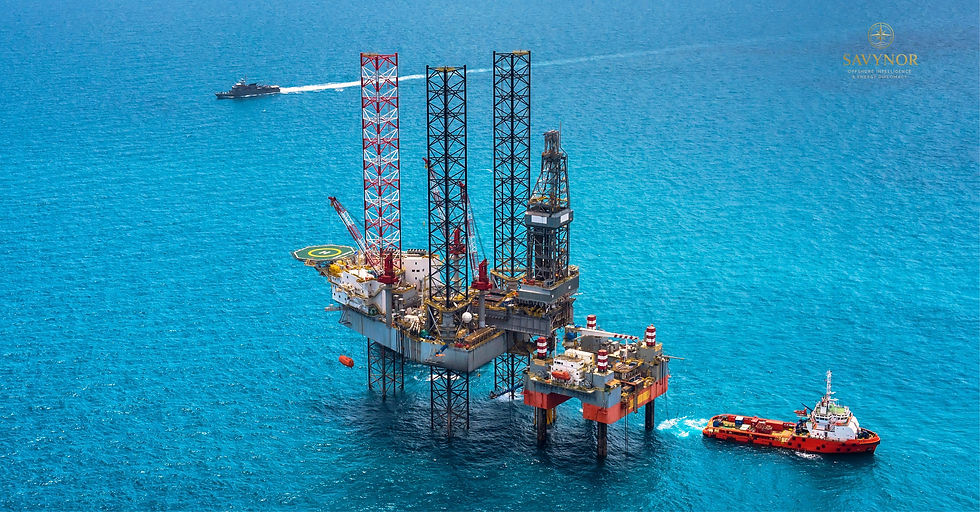
The Philippines has announced its first offshore natural gas discovery in more than a decade, located in a structure adjacent to the Malampaya field off the coast of Palawan. Yet this development cannot be read as a purely technical energy story. On the contrary, it reopens one of Southeast Asia’s most fragile energy–sovereignty dossiers.
Because offshore gas has never been only about what lies beneath the seabed. The real question is the political, military, and diplomatic environment in which that resource is able to exist.
A Discovery Has Been Announced. The Core Issue Is Not Resources, but Time
For years, the Malampaya field has served as the silent backbone of the Philippines’ energy system. The role of natural gas in electricity generation was built around this field, and narratives aimed at reducing coal dependency were anchored to it. Yet as Malampaya’s production curve declines, the question facing the country is a simple one: what comes next?
The new discovery does not provide a definitive answer to this question. More precisely, it does not eliminate the problem; it merely postpones it. From this perspective, Malampaya East-1 does not represent a permanent solution for the Philippines, but rather a temporary breathing space that buys time.
Offshore Gas = Geology + Sovereignty
This is where the core of the dossier begins. The area in which the discovery was made is not merely an energy site; it forms part of one of the most sensitive fault lines of great-power competition, commonly referred to as the South China Sea. In this geography, offshore energy production is not a technical operation, but a direct test of sovereignty.
A country’s ability to discover offshore gas is only one part of the equation. Equally critical is its capacity to continuously protect the field, insure operations, and present the area as a stable environment to international capital. Otherwise, the resource exists only on paper and fails to produce genuine energy security.
The South China Sea: Offshore Energy’s Harshest Testing Ground
The Philippines’ offshore gas discovery cannot be fully understood outside the context of the South China Sea. This region represents one of the most intense testing grounds for offshore energy, not only economically but also legally, militarily, and diplomatically. Energy fields here sit at the intersection of international law, de facto power projection, and great-power rivalry.
Conducting offshore operations in the South China Sea is not merely a decision to explore or produce hydrocarbons. It is a multilayered process that requires the state’s maritime presence to function simultaneously across naval capability, diplomacy, and legal positioning. Competing exclusive economic zone claims, areas of de facto control, and grey-zone strategies transform energy projects directly into political risk factors. As a result, the decisive variable is not only the existence of the resource, but the conditions under which it can be developed.
For the Philippines, this reality makes clear why offshore gas cannot be treated as a simple “energy solution.” Discoveries generate energy security only to the extent that fields can be continuously protected, insurance and financing mechanisms remain viable, and a predictable environment can be presented to international stakeholders. Otherwise, offshore gas becomes not an economic advantage, but a new front of geopolitical vulnerability.
In this sense, the South China Sea transforms the Philippines’ offshore gas dossier from a national energy issue into a strategic sovereignty test embedded within regional power dynamics.
The Political Value of the Discovery Surpasses the Size of the Reserves
The announced volumes are not globally game-changing. For the Philippines, however, the issue is not quantity but narrative. This discovery produces a message of “energy crisis postponed” for domestic audiences, signals to investors that the local gas story is not over, and conveys a diplomatic message that the country is not retreating at sea.
For this reason, the dossier should be read less as a technical development and more as a strategic signaling exercise.
The LNG Reality Remains but Bargaining Power Shifts
The new discovery does not free the Philippines from its dependence on LNG. On the contrary, it confirms the existing reality: LNG is no longer a preference, but a necessity. What changes is the nature of that necessity. Local gas production allows the country to move away from the position of a fully dependent importer and toward that of an actor capable of negotiation.
This distinction matters. Energy security is not always built through resources alone, but through bargaining power.
The Overlooked Layer of the Energy Dossier: State Capacity
The Philippine case once again highlights a reality often overlooked in global energy debates. Energy security is not determined solely by reserves; it is fundamentally a function of state capacity. Offshore energy cannot be sustained without naval capability, diplomacy, legal infrastructure, and effective public–private coordination.
When any one of these elements is missing, a discovery offers only temporary relief.
The SAVYNOR Assessment
The Philippines’ offshore gas discovery represents less a success than a threshold. It makes visible the tension between the country’s energy security ambitions and its geopolitical realities.
The central question is this:
If a state cannot secure its offshore energy domain politically and militarily, who does that resource truly belong to?
In this case, the answer lies not in the depth of the well, but in the depth of the state’s strategic capacity.
Filipinler’in Offshore Gaz Keşfi: Enerji Güvenliği mi, Jeopolitik Kırılganlık mı?
Filipinler, Palawan açıklarında Malampaya sahasına bitişik bir yapıda, on yılı aşkın süredir ilk kez yeni bir offshore doğal gaz keşfi gerçekleştirdiğini açıkladı. Ancak bu gelişme, teknik bir enerji haberinden ibaret değil. Aksine, Güneydoğu Asya’nın en kırılgan enerji–egemenlik dosyalarından birini yeniden açıyor.
Çünkü offshore gaz, her zaman yalnızca yerin altındaki rezervle ilgili değildir. Asıl mesele, o rezervin hangi siyasi, askeri ve diplomatik ortamda var olabildiğidir.
Bir Keşif Açıklandı. Ama Asıl Sorun Kaynak Değil, Zaman
Malampaya sahası, yıllardır Filipinler’in enerji sisteminin sessiz dayanağıydı. Elektrik üretiminde doğal gazın rolü bu saha üzerinden inşa edildi; kömür bağımlılığını azaltma söylemi bu zemin üzerinde kuruldu. Ancak Malampaya’nın üretim eğrisi düşerken, ülkenin önündeki soru nettir: Sonrası ne olacak?
Yeni keşif, bu soruya kesin bir yanıt vermiyor. Daha doğru ifadeyle, soruyu ortadan kaldırmıyor; yalnızca erteliyor. Bu açıdan bakıldığında Malampaya East-1, Filipinler’e kalıcı bir çözüm değil; zaman kazandıran bir ara nefes sunuyor.
Offshore Gaz = Jeoloji + Egemenlik
Bu dosyanın kilit noktası tam burada başlıyor. Keşfin yapıldığı alan, yalnızca bir enerji sahası değil; Güney Çin Denizi olarak bilinen, büyük güç rekabetinin en hassas hatlarından birinin parçası. Bu coğrafyada offshore enerji üretmek, teknik bir operasyon değil; doğrudan bir egemenlik testidir.
Bir ülkenin offshore gaz keşfi yapabilmesi kadar, o sahayı sürekli koruyabilmesi, sigortalayabilmesi ve uluslararası sermayeye istikrarlı bir alan olarak gösterebilmesi hayati önemdedir. Aksi hâlde rezerv, kağıt üzerinde vardır; enerji güvenliği üretmez.
Güney Çin Denizi: Offshore Enerjinin En Sert Sınav Alanı
Filipinler’in offshore gaz keşfi, Güney Çin Denizi bağlamı dışında okunduğunda eksik kalır. Çünkü bu coğrafya, offshore enerjinin yalnızca ekonomik değil; aynı zamanda hukuki, askeri ve diplomatik olarak da en yoğun biçimde test edildiği alanlardan biridir. Burada enerji sahaları, uluslararası hukukun, fiilî güç projeksiyonlarının ve büyük güç rekabetinin kesişim noktasında yer alır.
Güney Çin Denizi’nde offshore faaliyet yürütmek, teknik bir arama ya da üretim kararı değildir. Bu, devletin denizde varlık gösterebilme kapasitesinin; donanma, diplomasi ve hukuk üçgeninde aynı anda işlemesini gerektiren çok katmanlı bir süreçtir. Münhasır ekonomik bölge iddiaları, fiilî kontrol alanları ve gri bölge stratejileri, enerji projelerini doğrudan siyasi risk unsuruna dönüştürür. Bu nedenle rezervin varlığı kadar, o rezervin hangi koşullarda işletilebildiği belirleyici hâle gelir.
Filipinler açısından bu tablo, offshore gazın neden salt bir “enerji çözümü” olamayacağını açıkça gösterir. Keşifler, ancak sahaların kesintisiz korunabildiği, sigorta ve finansman mekanizmalarının sürdürülebilir biçimde çalışabildiği ve uluslararası aktörlere öngörülebilir bir ortam sunabildiği ölçüde enerji güvenliği üretir. Aksi durumda offshore gaz, ekonomik bir avantajdan çok, jeopolitik kırılganlığın yeni bir cephesine dönüşür.
Bu bağlamda Güney Çin Denizi, Filipinler’in offshore gaz dosyasını bir ulusal enerji meselesinden çıkarıp, bölgesel güç dengeleriyle iç içe geçmiş stratejik bir egemenlik sınavına dönüştürmektedir.
Keşfin Politik Değeri, Rezervin Önüne Geçiyor
Açıklanan hacim, küresel ölçekte oyun değiştirici değildir. Ancak Filipinler için mesele miktar değil, anlatıdır. Bu keşif, iç politikada “enerji krizi ertelendi” mesajı üretir; yatırımcı nezdinde “yerli gaz hikâyesi bitmedi” algısı yaratır; diplomatik düzlemde ise “denizde geri çekilmiyoruz” sinyali verir.
Bu nedenle dosya, teknik olmaktan çok stratejik iletişim dosyasıdır.
LNG Gerçeği Değişmiyor, Ama Pazarlık Gücü Değişiyor
Yeni keşif, Filipinler’i LNG bağımlılığından kurtarmıyor. Aksine, mevcut tabloyu teyit ediyor: LNG artık bir tercih değil, zorunluluk. Ancak bu zorunluluğun niteliği değişiyor. Yerel gaz üretimi, ülkeyi “tam bağımlı ithalatçı” konumundan çıkarıp, pazarlık yapabilen bir aktör hâline getiriyor.
Bu fark küçümsenemez. Enerji güvenliği bazen kaynakla değil, müzakere gücüyle inşa edilir.
Enerji Dosyasının Görünmeyen Katmanı: Devlet Kapasitesi
Filipinler örneği, küresel enerji tartışmalarında sıkça gözden kaçan bir gerçeği yeniden hatırlatıyor. Enerji güvenliği yalnızca rezervle değil, devlet kapasitesiyle mümkündür. Offshore enerji; donanma, diplomasi, hukuk ve kamu–özel koordinasyonu olmaksızın sürdürülebilir değildir.
Bu unsurlardan biri eksikse, keşif yalnızca geçici bir rahatlama sağlar.
SAVYNOR Değerlendirmesi
Filipinler’in offshore gaz keşfi, bir başarıdan çok bir eşiği temsil ediyor. Bu eşik, ülkenin enerji güvenliğiyle jeopolitik gerçekliği arasındaki gerilimi daha görünür hâle getiriyor.
Asıl soru şudur:
Bir devlet, offshore enerji alanını siyasi ve askeri olarak güvence altına alamıyorsa, bu kaynak gerçekten kime aittir?
Bu dosyada cevap, kuyunun derinliğinde değil; devletin stratejik derinliğinde saklıdır.
La découverte gazière offshore des Philippines : sécurité énergétique ou fragilité géopolitique ?
Les Philippines ont annoncé leur première découverte de gaz naturel offshore depuis plus de dix ans, située dans une structure adjacente au champ de Malampaya, au large de Palawan. Toutefois, ce développement ne peut être interprété comme un simple événement technique du secteur énergétique. Au contraire, il rouvre l’un des dossiers énergie et souveraineté les plus fragiles d’Asie du Sud-Est.
Car le gaz offshore n’a jamais concerné uniquement ce qui se trouve sous le fond marin. La véritable question réside dans l’environnement politique, militaire et diplomatique dans lequel cette ressource est en mesure d’exister.
Une découverte a été annoncée. Mais le véritable enjeu n’est pas la ressource, c’est le temps
Pendant des années, le champ de Malampaya a constitué l’épine dorsale silencieuse du système énergétique philippin. Le rôle du gaz naturel dans la production d’électricité s’est construit autour de ce champ, et les discours visant à réduire la dépendance au charbon s’y sont ancrés. Pourtant, à mesure que la courbe de production de Malampaya décline, la question qui se pose au pays est simple : que se passera-t-il ensuite ?
La nouvelle découverte n’apporte pas de réponse définitive à cette question. Plus précisément, elle n’élimine pas le problème ; elle ne fait que le repousser. Dans cette perspective, Malampaya East-1 ne représente pas une solution permanente pour les Philippines, mais plutôt une respiration temporaire permettant de gagner du temps.
Gaz offshore = géologie + souveraineté
C’est ici que se situe le cœur du dossier. La zone dans laquelle la découverte a été réalisée n’est pas seulement un site énergétique ; elle s’inscrit dans l’une des lignes de fracture les plus sensibles de la compétition entre grandes puissances, communément désignée comme la mer de Chine méridionale. Dans cet espace, la production d’énergie offshore n’est pas une opération technique, mais un test stratégique de souveraineté.
La capacité d’un État à découvrir du gaz offshore n’est qu’un élément de l’équation. Tout aussi déterminante est sa faculté à protéger durablement le champ, à assurer les opérations et à présenter la zone comme un environnement stable aux capitaux internationaux. À défaut, la ressource n’existe que sur le papier et ne produit pas de véritable sécurité énergétique.
La mer de Chine méridionale : le terrain d’épreuve le plus exigeant de l’énergie offshore
La découverte gazière offshore des Philippines ne peut être pleinement comprise en dehors du contexte de la mer de Chine méridionale. Cette région constitue l’un des espaces où l’énergie offshore est soumise aux tests les plus intenses, non seulement sur le plan économique, mais aussi juridique, militaire et diplomatique. Les champs énergétiques s’y situent à l’intersection du droit international, de la projection de puissance de facto et de la rivalité entre grandes puissances.
Mener des opérations offshore en mer de Chine méridionale ne relève pas d’une simple décision d’exploration ou de production d’hydrocarbures. Il s’agit d’un processus à plusieurs niveaux, qui exige que la présence maritime de l’État fonctionne simultanément à travers ses capacités navales, sa diplomatie et son positionnement juridique. Les revendications concurrentes de zones économiques exclusives, les zones de contrôle de facto et les stratégies de « zone grise » transforment directement les projets énergétiques en facteurs de risque politique. Dès lors, l’élément décisif n’est pas uniquement l’existence de la ressource, mais les conditions dans lesquelles elle peut être développée.
Pour les Philippines, cette réalité montre clairement pourquoi le gaz offshore ne peut être considéré comme une simple « solution énergétique ». Les découvertes ne génèrent une sécurité énergétique que dans la mesure où les champs peuvent être protégés de manière continue, où les mécanismes d’assurance et de financement restent viables et où un environnement prévisible peut être offert aux acteurs internationaux. À défaut, le gaz offshore devient non pas un avantage économique, mais un nouveau front de vulnérabilité géopolitique.
En ce sens, la mer de Chine méridionale transforme le dossier gazier offshore des Philippines, le faisant passer d’une question énergétique nationale à une épreuve stratégique de souverainetéinscrite dans les dynamiques de pouvoir régionales.
La valeur politique de la découverte dépasse celle des réserves
Les volumes annoncés ne sont pas déterminants à l’échelle mondiale. Pour les Philippines, toutefois, l’enjeu n’est pas la quantité, mais le récit. Cette découverte produit un message de « crise énergétique différée » à destination du public national, signale aux investisseurs que l’histoire du gaz local n’est pas terminée et transmet, sur le plan diplomatique, l’idée que le pays ne se retire pas de l’espace maritime.
Pour cette raison, le dossier doit être lu moins comme un développement technique que comme un exercice de signalement stratégique.
La réalité du GNL demeure, mais le rapport de force évolue
La nouvelle découverte ne libère pas les Philippines de leur dépendance au GNL. Elle confirme au contraire la réalité existante : le GNL n’est plus un choix, mais une nécessité. Ce qui change, c’est la nature de cette nécessité. La production gazière locale permet au pays de s’éloigner du statut d’importateur totalement dépendant pour se rapprocher de celui d’un acteur en mesure de négocier.
Cette distinction est essentielle. La sécurité énergétique ne se construit pas toujours à partir des ressources seules, mais à partir du pouvoir de négociation.
La couche souvent négligée du dossier énergétique : la capacité de l’État
Le cas philippin rappelle une fois de plus une réalité fréquemment négligée dans les débats énergétiques mondiaux. La sécurité énergétique ne dépend pas uniquement des réserves ; elle est fondamentalement une fonction de la capacité de l’État. L’énergie offshore ne peut être soutenue sans capacités navales, diplomatie, infrastructures juridiques et coordination efficace entre acteurs publics et privés.
Lorsque l’un de ces éléments fait défaut, une découverte n’apporte qu’un soulagement temporaire.
L’évaluation de SAVYNOR
La découverte gazière offshore des Philippines représente moins un succès qu’un seuil. Elle rend visible la tension entre les ambitions de sécurité énergétique du pays et ses réalités géopolitiques.
La question centrale est la suivante :
si un État ne peut pas sécuriser politiquement et militairement son domaine énergétique offshore, à qui cette ressource appartient-elle réellement ?
Dans ce dossier, la réponse ne se trouve pas dans la profondeur du puits, mais dans la profondeur de la capacité stratégique de l’État.
필리핀의 해상 가스 발견: 에너지 안보인가, 지정학적 취약성인가?
필리핀은 팔라완 해역에서 말람파야(Malampaya) 가스전과 인접한 구조에서 10여 년 만에 처음으로 새로운 해상 천연가스 발견을 공식 발표했다. 그러나 이 소식은 단순한 기술적 에너지 뉴스로만 읽힐 수 없다. 오히려 이는 동남아시아에서 가장 취약한 에너지와 주권 관련 사안 중 하나를 다시 수면 위로 끌어올린다.
해상 가스는 언제나 해저 아래에 무엇이 존재하는가의 문제만은 아니었다. 핵심은 그 자원이 어떤 정치적, 군사적, 외교적 환경 속에서 존재할 수 있는가에 있다.
발견은 이루어졌다. 그러나 핵심 문제는 자원이 아니라 시간이다
말람파야 가스전은 수년간 필리핀 에너지 시스템의 조용한 기반 역할을 해왔다. 전력 생산에서 천연가스의 역할은 이가스전을 중심으로 구축되었고, 석탄 의존도를 줄이려는 정책적 서사 또한 이 구조 위에서 형성되었다. 그러나 말람파야의 생산 곡선이 하락 국면에 접어들면서 필리핀이 직면한 질문은 분명해졌다. 다음은 무엇인가?
이번 발견은 이 질문에 대한 명확한 해답을 제시하지 않는다. 보다 정확히 말하면, 문제를 해결하지 않고 단지 미루고있을 뿐이다. 이러한 관점에서 말람파야 이스트-1(Malampaya East-1)은 필리핀에 영구적인 해결책이라기보다, 시간을 벌어주는 일시적인 숨통에 가깝다.
해상 가스 = 지질학 + 주권
이 지점에서 이 사안의 본질이 드러난다. 발견이 이루어진 해역은 단순한 에너지 개발 구역이 아니라, 이른바 남중국해로 불리는 강대국 경쟁의 가장 민감한 단층선 중 하나에 속한다. 이 지역에서 해상 에너지 생산은 기술적 작업이 아니라, 전략적 주권의 시험대다.
한 국가가 해상 가스를 발견할 수 있는 능력은 방정식의 일부에 불과하다. 그보다 중요한 것은 해당 해역을 지속적으로 보호하고, 사업을 보험화할 수 있으며, 국제 자본에 안정적인 환경으로 제시할 수 있는 역량이다. 그렇지 못할 경우, 자원은 문서상으로만 존재할 뿐 실질적인 에너지 안보를 창출하지 못한다.
남중국해: 해상 에너지가 직면한 가장 가혹한 시험대
필리핀의 해상 가스 발견은 남중국해라는 맥락을 벗어나서는 온전히 이해될 수 없다. 이 지역은 해상 에너지가 경제적차원을 넘어 법적, 군사적, 외교적으로 가장 강도 높은 시험을 받는 공간이다. 에너지 개발 구역은 국제법, 사실상의힘의 투사, 그리고 강대국 경쟁이 교차하는 지점에 놓여 있다.
남중국해에서 해상 개발을 추진하는 것은 단순한 탐사나 생산 결정이 아니다. 이는 해군 역량, 외교, 법적 입장이 동시에 작동해야 하는 다층적 국가 역량의 문제다. 배타적 경제수역에 대한 경쟁적 주장, 사실상의 통제 구역, 그리고 회색지대 전략은 에너지 프로젝트를 곧바로 정치적 위험 요인으로 전환시킨다. 따라서 결정적인 변수는 자원의 존재 자체가 아니라, 그 자원이 어떤 조건에서 개발될 수 있는가이다.
필리핀의 경우, 이러한 현실은 해상 가스가 왜 단순한 ‘에너지 해법’이 될 수 없는지를 분명히 보여준다. 발견은 해당해역이 지속적으로 보호되고, 보험 및 금융 메커니즘이 작동하며, 국제 행위자들에게 예측 가능한 환경을 제공할 수있을 때에만 에너지 안보로 이어진다. 그렇지 않을 경우, 해상 가스는 경제적 이점이 아니라 새로운 지정학적 취약성의 전선이 된다.
이러한 맥락에서 남중국해는 필리핀의 해상 가스 문제를 국가적 에너지 사안에서 벗어나, 지역 권력 역학 속에 내재된전략적 주권 시험으로 전환시킨다.
발견의 정치적 가치는 매장량을 앞선다
발표된 규모는 세계적 차원에서 판도를 바꿀 수준은 아니다. 그러나 필리핀에게 중요한 것은 양이 아니라 서사다. 이번 발견은 국내적으로 ‘에너지 위기가 연기되었다’는 메시지를 만들어내고, 투자자들에게는 현지 가스 이야기가 아직끝나지 않았다는 신호를 보낸다. 외교적으로는 해상에서 후퇴하지 않겠다는 의지를 전달한다.
이 때문에 이 사안은 기술적 개발보다는 전략적 신호 발신의 관점에서 읽혀야 한다.
LNG의 현실은 변하지 않는다. 그러나 협상력은 이동한다
이번 발견이 필리핀을 LNG 의존에서 해방시키지는 않는다. 오히려 기존 현실을 확인시켜 준다. LNG는 더 이상 선택지가 아니라 필수다. 달라지는 것은 그 필수성의 성격이다. 국내 가스 생산은 필리핀을 완전한 수입 의존국의 위치에서, 협상할 수 있는 행위자의 위치로 이동시킨다.
이 차이는 중요하다. 에너지 안보는 항상 자원 자체로만 구축되는 것이 아니라, 협상력을 통해 형성되기도 한다.
에너지 사안의 간과된 층위: 국가 역량
필리핀 사례는 글로벌 에너지 논의에서 종종 간과되는 현실을 다시 한 번 상기시킨다. 에너지 안보는 단지 매장량에의해 결정되지 않는다. 그것은 본질적으로 국가 역량의 함수다. 해상 에너지는 해군 역량, 외교, 법적 인프라, 그리고공공–민간 간의 효과적인 조정 없이는 지속될 수 없다.
이 요소 중 하나라도 결여될 경우, 발견은 일시적인 완화 효과에 그친다.
SAVYNOR 평가
필리핀의 해상 가스 발견은 성과라기보다는 하나의 전환점에 가깝다. 이는 에너지 안보에 대한 국가적 열망과 지정학적 현실 사이의 긴장을 더욱 선명하게 드러낸다.
핵심 질문은 다음과 같다.
한 국가가 해상 에너지 영역을 정치적·군사적으로 확보하지 못한다면, 그 자원은 과연 누구의 것인가?
이 사안에서 답은 시추공의 깊이가 아니라, 국가의 전략적 역량의 깊이에 있다.
Офшорное газовое открытие на Филиппинах: энергетическая безопасность или геополитическая уязвимость?
Филиппины объявили о первом за более чем десятилетие новом офшорном открытии природного газа в структуре, прилегающей к месторождению Малампайя у побережья острова Палаван. Однако данное событие нельзя рассматривать как сугубо техническую новость в сфере энергетики. Напротив, оно вновь открывает один из наиболее уязвимых энергетико-суверенитетных досье Юго-Восточной Азии.
Поскольку офшорный газ никогда не был связан исключительно с тем, что находится под морским дном. Ключевой вопрос заключается в том, в какой политической, военной и дипломатической среде этот ресурс способен существовать.
Открытие объявлено. Но ключевая проблема не в ресурсе, а во времени
На протяжении многих лет месторождение Малампайя служило тихой опорой энергетической системы Филиппин. Роль природного газа в производстве электроэнергии формировалась вокруг этого месторождения, а стратегия снижения зависимости от угля была выстроена на его основе. Однако по мере снижения добычи на Малампайе перед страной встаёт простой вопрос: что дальше?
Новое открытие не даёт однозначного ответа. Точнее, оно не устраняет проблему, а лишь откладывает её. В этом смысле Малампайя Ист-1 не является для Филиппин устойчивым решением, а представляет собой временную передышку, позволяющую выиграть время.
Офшорный газ = геология + суверенитет
Именно здесь начинается суть досье. Район, в котором было сделано открытие, является не просто энергетическим участком, а частью одной из наиболее чувствительных линий разлома в системе соперничества великих держав — акватории, известной как Южно-Китайское море. В этой географии офшорная добыча энергии — это не техническая операция, а испытание государственного суверенитета.
Способность государства обнаружить офшорный газ — лишь часть уравнения. Не менее важно умение постоянно защищать месторождение, обеспечивать страхование операций и представлять данный район как стабильную среду для международного капитала. В противном случае ресурс существует лишь на бумаге и не формирует реальную энергетическую безопасность.
Южно-Китайское море: самый жёсткий испытательный полигон для офшорной энергетики
Офшорное газовое открытие на Филиппинах невозможно полноценно понять вне контекста Южно-Китайского моря. Этот регион является одним из наиболее интенсивных пространств, где офшорная энергетика подвергается не только экономическим, но и правовым, военным и дипломатическим испытаниям. Энергетические участки здесь находятся на пересечении международного права, фактической проекции силы и соперничества великих держав.
Осуществление офшорных операций в Южно-Китайском море — это не просто решение о разведке или добыче углеводородов. Это многоуровневый процесс, требующий одновременного функционирования военно-морских возможностей государства, дипломатии и правовой позиции. Конкурирующие притязания на исключительные экономические зоны, зоны фактического контроля и стратегии «серой зоны» напрямую превращают энергетические проекты в источники политического риска. Следовательно, решающим фактором становится не только наличие ресурса, но и условия, в которых он может быть разработан.
Для Филиппин эта реальность ясно показывает, почему офшорный газ не может рассматриваться как простое «энергетическое решение». Открытия обеспечивают энергетическую безопасность лишь в той мере, в какой месторождения могут быть постоянно защищены, страховые и финансовые механизмы остаются устойчивыми, а международным участникам предлагается предсказуемая среда. В противном случае офшорный газ превращается не в экономическое преимущество, а в новый фронт геополитической уязвимости.
В этом контексте Южно-Китайское море выводит филиппинское офшорное газовое досье за рамки национального энергетического вопроса, превращая его в стратегическое испытание суверенитета, встроенное в региональные балансы сил.
Политическая ценность открытия превосходит размер запасов
Объявленные объёмы не являются глобальным фактором, меняющим правила игры. Однако для Филиппин значение имеет не количество, а нарратив. Это открытие формирует для внутренней аудитории посыл о «отложенном энергетическом кризисе», сигнализирует инвесторам, что история местного газа ещё не завершена, и на дипломатическом уровне передаёт сообщение о том, что страна не отступает на морском направлении.
По этой причине данное досье следует рассматривать не столько как техническое развитие, сколько как элемент стратегического сигналинга.
Реальность СПГ сохраняется, но переговорная позиция меняется
Новое открытие не освобождает Филиппины от зависимости от СПГ. Напротив, оно подтверждает существующую реальность: СПГ больше не является выбором, а необходимостью. Меняется лишь характер этой необходимости. Наличие собственной газовой добычи позволяет стране перейти от статуса полностью зависимого импортёра к положению субъекта, способного вести переговоры.
Это различие имеет значение. Энергетическая безопасность не всегда формируется за счёт самих ресурсов; зачастую она строится через переговорную силу.
Незаметный слой энергетического досье: государственная способность
Филиппинский пример вновь напоминает о реальности, которая часто упускается в глобальных энергетических дебатах. Энергетическая безопасность определяется не только объёмом запасов; в своей основе она является функцией государственной способности. Офшорная энергетика не может быть устойчивой без военно-морских возможностей, дипломатии, правовой инфраструктуры и эффективной координации между государственным и частным секторами.
При отсутствии хотя бы одного из этих элементов открытие приносит лишь временное облегчение.
Оценка SAVYNOR
Офшорное газовое открытие на Филиппинах представляет собой скорее порог, чем успех. Оно делает более наглядным напряжение между стремлением страны к энергетической безопасности и её геополитическими реалиями.
Ключевой вопрос заключается в следующем:
если государство не способно политически и военно обеспечить свой офшорный энергетический домен, кому в действительности принадлежит этот ресурс?
В данном досье ответ кроется не в глубине скважины, а в глубине стратегической способности государства.


Comments